Ray-Ran Plastics Testing Equipment in India | FITCO
Plastics and polymer testing

Know what your polymer can take.

Ray-Ran connects specimen preparation, impact testing and density measurement so plastics laboratories can control the sample, follow the method and defend the result across quality control and material development.

  • Since 1977 Plastics testing heritage
  • ASTM / ISO Configurations built around your method
  • India support FITCO application and service team
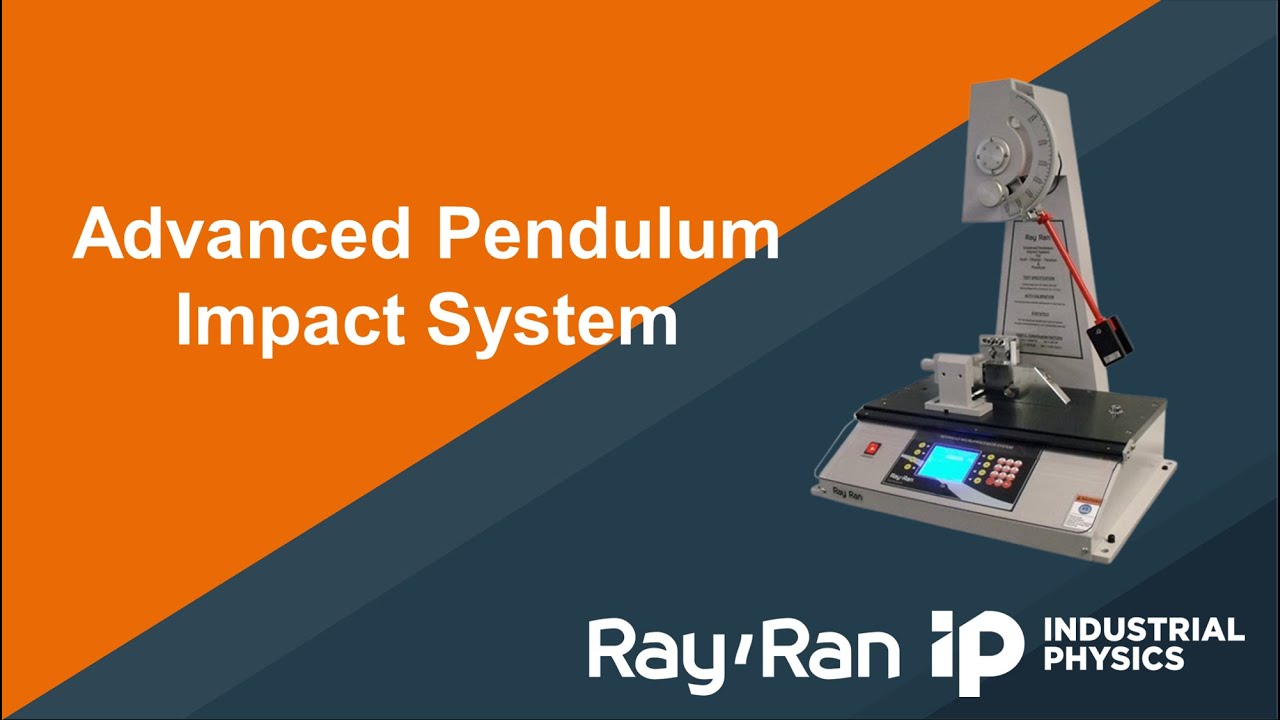
Featured system Ray-Ran Advanced Pendulum Impact System
0.5 to 50 J Available hammer energies
Izod + Charpy One configurable platform
From sample to answer Prepare, condition, test and interpret with the method in view.
Core Ray-Ran systems

Four instruments. One stronger testing workflow.

Shortlist by material form, test method, specimen geometry, conditioning, throughput and the result your quality team needs to defend.

Configurations and accessories vary by standard. FITCO can review the application before quotation.

01 Impact testing Ray-Ran Advanced Pendulum Impact System

Advanced Pendulum Impact System

Determine the energy required to break plastics, composites and ceramics across Izod, Charpy, tensile impact, pipe and component methods.

  • 0.5 to 50 JHammer energies
  • 1.5 to 3.8 m/sImpact velocity
  • ISO 179 / 180Key methods
View system details
02 Specimen preparation Ray-Ran Auto Cycle Test Sample Notching Cutter

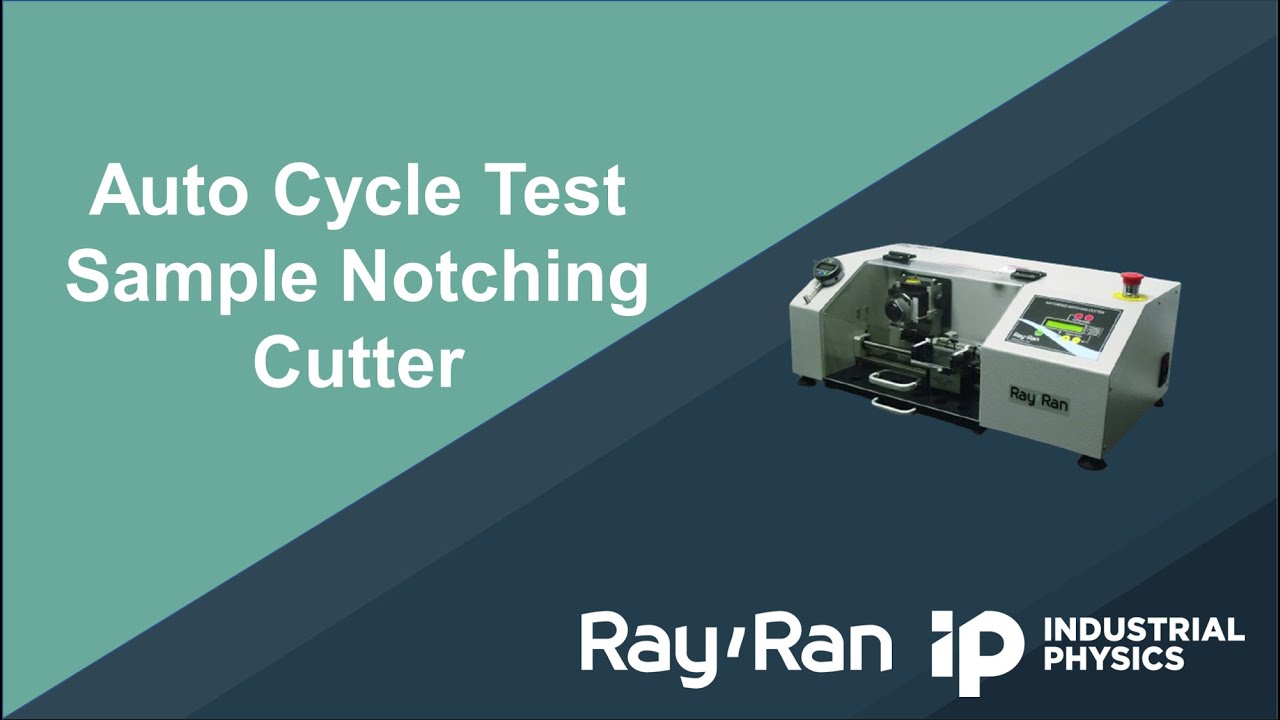
Auto Cycle Test Sample Notching Cutter

Prepare accurate V notch and U notch profiles with controlled cutter speed, feed rate, notch depth and batch loading.

  • Up to 16Samples per load
  • 350 to 2500 rpmCutter speed
  • ASTM D256Key method
View system details
03 Specimen preparation Ray-Ran Pneumatically Operated Test Sample Cutting Press

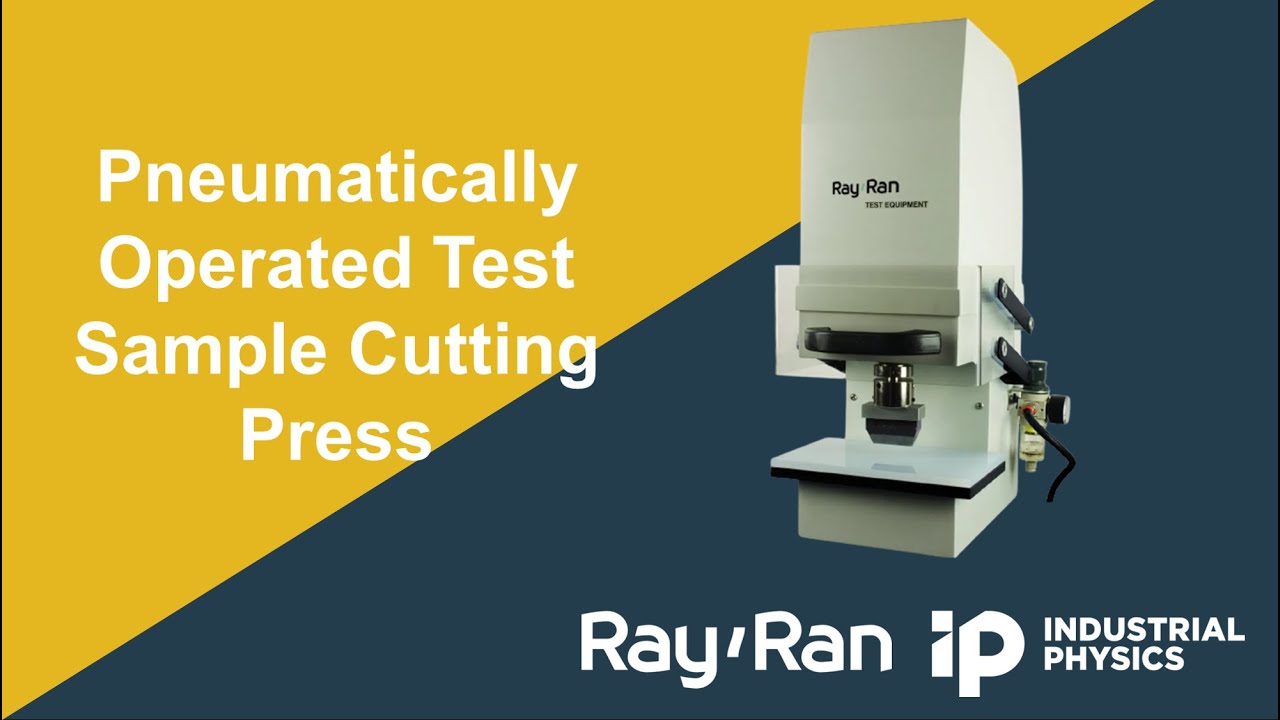
Pneumatic Test Sample Cutting Press

Cut repeatable specimens from plastics, fabrics, boards and paper with a compact, guarded press designed for laboratory sample preparation.

  • Up to 50 kNCutting force
  • Up to 8 mmMaterial thickness
  • GuardedInterlocked operation
View system details
04 Density measurement Ray-Ran Auto Density Measurement System

Auto Density Measurement System

Measure small solid specimens using the density gradient column method with automatic calculation, temperature control and data analysis.

  • 3 or 6Column versions
  • 23°C ±0.1Temperature control
  • ASTM D1505Key method
Ask for a configuration
Build the method

A good instrument cannot rescue a weak specimen.

Impact and density results depend on more than the instrument. Prepare consistently, condition correctly, configure to the standard and make every result easy to review and repeat.

  • ASTM D256
  • ASTM D6110
  • ASTM D1505
  • ISO 179
  • ISO 180
  • ISO 1183

Define the decision

Material development, incoming inspection and production QC require different throughput, reporting and acceptance criteria.

Control specimen geometry

Match cutting dies, notch profiles, thickness and conditioning to the relevant ASTM or ISO method.

Configure the measurement

Select the energy range, fixture, column format, accessories and data workflow for the actual sample set.

Plan for traceability

Agree installation, operator training, calibration and service expectations before the system enters routine use.

The instrument is only half the decision.

FITCO helps connect the material, specimen, standard, accessories and service plan so the selected system can support a working laboratory method.

Talk to an applications engineer
01

Application review

Discuss material, specimen, standard, throughput and the result your team needs before model selection.

02

Installation and training

Coordinate site readiness, commissioning and operator handover for a cleaner start to routine testing.

03

Service and spares coordination

Plan preventive support, calibration requirements and genuine parts around instrument use and uptime priorities.

04

Method continuity

Keep the instrument, accessories and specimen preparation process aligned as products and standards evolve.

Watch the workflow

See the system before you shortlist it.

Short demonstrations make it easier to discuss sample handling, operator steps and the data you will actually receive.

Buyer questions

What should be settled before quotation?

A clearer enquiry produces a better configuration and fewer surprises at installation.

Which details should I share for an impact tester?

Share the applicable standard, material, specimen dimensions, expected impact range, test temperature, daily sample volume and whether you need Izod, Charpy, tensile impact, pipe or component fixtures.

Do I need specimen preparation equipment as well?

If specimens are prepared in your laboratory, the cutting and notching process should be reviewed with the tester. Geometry and notch quality can materially influence impact results.

What changes between the three column and six column density systems?

The choice affects capacity and workflow. Material density range, sample volume, required throughput, available space and temperature control arrangements should be reviewed together.

Can FITCO support installation and service in India?

FITCO coordinates application review, supply, installation, training, service and spares support in India. Final scope depends on the selected system and commercial agreement.

Bring the standard. We’ll help build the system around it.

Share the material, specimen geometry, conditioning, method, expected range and throughput. FITCO will help shortlist the appropriate Ray-Ran instrument, fixture and preparation approach.

Start a technical discussion
WhatsApp Call Now